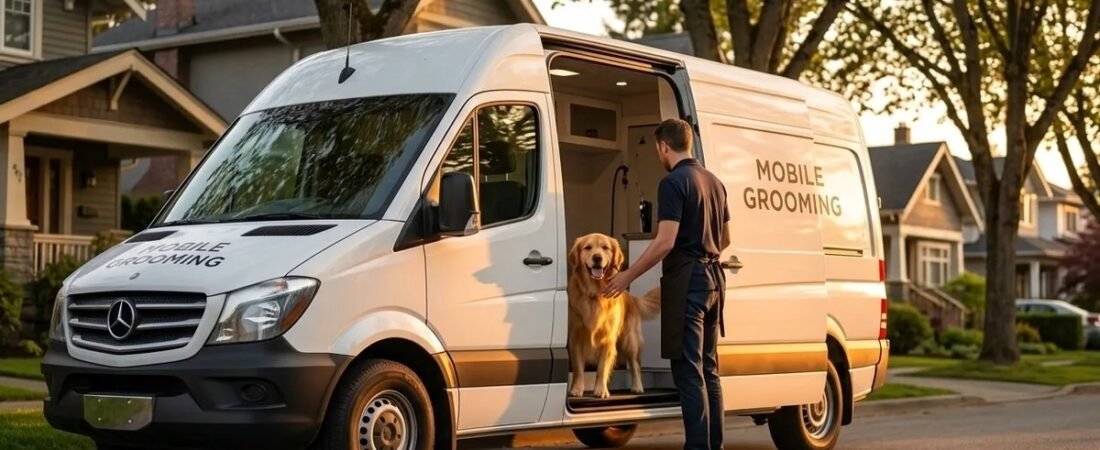
Double-coated dogs have two distinct fur layers that regulate body temperature and shed heavily during seasonal weather transitions. Professional dog de-shedding in Vancouver safely releases impacted, dead undercoat without stripping the protective topcoat or clipping the dog. Removing trapped undercoat keeps pets cool in summer, dry through rainy coastal winters, and free from painful matting.
How Canine Double Coats Work: Guard Hairs vs. Undercoat
Breeds like Siberian Huskies, Golden Retrievers, German Shepherds, Bernese Mountain Dogs, Samoyeds, and Pomeranians feature specialized double coats designed for weather protection.
The outer layer consists of coarse guard hairs (primary hairs). These water-repellent hairs shed rain and dirt, block ultraviolet radiation, and provide the dog’s visible colour.
Beneath the guard coat lies the undercoat. As noted by VCA Animal Hospitals, multiple fine secondary hairs emerge from each follicle cluster alongside a central guard hair. This dense undercoat traps air close to the skin, insulating against cold winter weather and buffering against summer heat.
Seasonal Coat Blow: Understanding Why Double Coats Shed in Clumps
Twice each year, double-coated dogs experience a full coat blow. Over two to four weeks, they release massive clumps of dead undercoat, especially around the haunches, neck, and tail.
Coat blow is triggered by photoperiod (changing daylight hours) and seasonal temperatures. In spring, dogs shed their dense winter undercoat for a lighter summer coat; in autumn, they shed to grow a heavier winter undercoat.
In Metro Vancouver, indoor heating and coastal humidity cause steady year-round shedding, but spring and autumn remain peak shedding windows. Unbrushed undercoat packs against the skin, choking airflow and causing mats.
Why Shaving a Double-Coated Dog Does More Harm Than Good
When shedding fur accumulates across floors and furniture, shaving a double-coated dog might seem practical. However, professional groomers strongly advise against clipping double coats.
Shaving removes a dog’s natural cooling system. Dogs do not sweat through skin; they cool down by panting and releasing heat through their paw pads. The American Kennel Club warns that shaving double coats removes their natural thermal barrier, increasing heat stroke risks.
Shaving also creates serious health hazards:
- Sunburn: Guard hairs shade the skin. The American Kennel Club notes that a dog’s coat protects it from sunburn and lowers its risk of skin cancer.
- Coat damage: When a double coat is shaved to the skin, the undercoat grows back faster and can crowd out the slower-growing guard hairs. The AKC warns this can leave the coat patchy and change its texture and colour.
- Damaged coat texture: Soft undercoat regrows faster than guard hairs, producing a fuzzy, velcro-like coat that tangles and mats easily.
- Loss of weather shielding: Shaved dogs lose their water-repellent barrier against coastal rain, brambles, and insects.
The only valid reason to shave a double-coated dog is medical necessity—such as surgery or severe matting where brushing causes pain. For healthy coats, thorough de-shedding is the proper solution.
Tools and at-Home De-Shedding Routine
Maintaining a double coat between grooming visits requires proper tools to protect topcoat hairs while removing undercoat.
Essential Grooming Tools
- Undercoat rake: Long, rounded metal pins reach through guard hairs to extract dead undercoat without scratching the skin.
- Slicker brush: Angled wire pins gently collect loose surface fur and separate minor snags.
- Steel greyhound comb: A dual-spaced metal comb used to verify that no tangles remain near the skin.
- High-velocity blower: Forces cool air deep into the coat to blast out dead hair and debris without heat damage.
The Line Combing Method
Surface brushing only skims top fur. Use line combing: gently part the hair to reveal the skin, then brush downward from root to tip in small sections. Work methodically from the paws up along legs, belly, flanks, back, and neck.
Tools to Avoid and Vancouver Weather Care
Avoid blade-style de-shedding tools with sharpened cutting edges under heavy pressure, as they can slice healthy topcoat hairs. Never dry-brush a matted or dirty coat.
Vancouver’s wet climate requires extra care. When undercoat stays damp after walks, bacteria thrive. As VCA Animal Hospitals explains, hot spots frequently stem from moisture trapped by dense, unbrushed fur. Always dry your dog thoroughly after rainy outings.
What a Professional Mobile De-Shedding Treatment Involves
A professional de-shedding service combines hydrotherapy, specialized formulas, and high-velocity airflow to release trapped hair cleanly.
- Skin assessment and pre-brushing: Checking for irritations, hot spots, and mats, followed by gentle raking to loosen surface fur.
- Hydro-massage de-shedding bath: Warm water bath using specialized de-shedding shampoo and moisturizing conditioner to relax hair follicles and soften undercoat fibres.
- High-velocity fluff blow dry: In our mobile salon, we hand-dry and fluff-dry using high-velocity air without cage dryers. High-pressure air lifts loosened undercoat straight out of the coat while drying.
- Detailed line raking and combing: Methodical comb-out with undercoat rakes and greyhound combs to capture any remaining loose fur.
- Full hygienic finish: Ear cleaning, sanitary trim, paw pad shave, and complete nail trim and grind.
Bathing a shedding dog at home without a high-velocity dryer often cements loose undercoat into tight mats as it air-dries.
Recommended De-Shedding Schedule by Breed
Different double-coated breeds require distinct maintenance intervals based on coat density and seasonal shedding cycles:
| Breed Category | Coat Type | Shedding Pattern | Recommended Grooming Schedule |
|---|---|---|---|
| Pomeranian (Under 10 lbs) | Dense undercoat, harsh topcoat | Moderate year-round shed, seasonal blow | Bath & brush or full groom every 4 to 6 weeks |
| Golden Retriever (45–75 lbs) | Water-repellent coat with feathering | Steady shed with heavy biannual blow | De-shedding bath & groom every 6 to 8 weeks |
| German Shepherd (45–75+ lbs) | Dense, coarse straight double coat | Persistent daily shed, heavy spring/fall blow | Full de-shedding treatment every 6 to 8 weeks |
| Siberian Husky & Samoyed (45–75 lbs) | Arctic double coat with thick under-layer | Heavy biannual blow dropping dense clumps | Every 6 to 8 weeks; every 4 weeks during peak blow |
| Bernese Mountain Dog (75+ lbs) | Long, thick double coat prone to tangles | Heavy seasonal blow, mats behind ears | Full de-shedding groom every 4 to 6 weeks |
For more guidance on visit frequency, review our guide on how often to groom your dog in Vancouver.
At Vancouver Mobile Dog Grooming, our full groom pricing starts by dog weight: under 10 lbs is $65, 10–20 lbs is $79, 20–45 lbs is $105, 45–75 lbs is $139, and 75+ lbs is $179. A full groom includes bath, blow dry, haircut or outline trim, nail trim and grind, ear cleaning, sanitary trim, paw pad shave, and de-shedding undercoat removal for double-coated breeds. We also offer bath & brush appointments starting at $55 to $95 by size, de-shedding treatment add-ons for $35, and de-matting at $25 per 15 minutes. View all rates on our mobile dog grooming pricing page and see our complete grooming services.
When Shedding Indicates a Health Concern
While seasonal shedding is normal, unusual hair loss warrants veterinary evaluation. Consult your vet if you observe any of these signs:
- Distinct bald patches or asymmetrical hair loss rather than general thinning
- Redness, open sores, weeping hot spots, or skin that feels inflamed
- Persistent scratching, biting, or head shaking indicative of parasites or yeast
- Foul skin odour that lingers shortly after a bath
- Sudden coat thinning accompanied by lethargy or increased thirst, which can point to conditions like hypothyroidism
Groomers help maintain healthy coats, but skin lesions and sudden alopecia require veterinary care.
Book Professional Dog De-Shedding in Metro Vancouver
Keep your home fur-free and your dog comfortable year-round. Vancouver Mobile Dog Grooming brings one-on-one van grooming straight to your driveway with no cage drying and no travel fees in our service area. We serve Vancouver, Burnaby, Richmond, North Vancouver, West Vancouver, New Westminster, Coquitlam, Port Coquitlam, Port Moody, Surrey, South Surrey, White Rock, Langley, Delta, Ladner, and Tsawwassen. See our Metro Vancouver service areas.
To book your dog’s next de-shedding appointment, visit our contact page or call or text (778) 807-7627. We are open Monday to Friday from 8 AM to 8 PM, and Saturday from 8 AM to 7 PM (closed Sunday).
FAQ
Can I shave my Husky or Golden Retriever if they seem hot in the summer?
No. Shaving removes the layers that insulate against summer heat and protect delicate skin from UV rays. Clipped dogs overheat faster and risk severe sunburn. Professional de-shedding removes dead undercoat while keeping topcoat protection intact.
How long does a mobile de-shedding treatment take?
Because we groom one dog at a time with no kennel waits, your pet receives quiet, dedicated attention.
How does Vancouver’s rainy weather affect double coats?
Rain soaks into loose undercoat and holds dampness against the skin. If wet fur stays packed against the body, bacteria multiply, causing painful hot spots and mats. Drying thoroughly after wet walks is essential.
What is the difference between a bath and brush versus a full de-shedding groom?
A bath and brush cleans the surface coat. A full de-shedding treatment adds follicle-loosening conditioners, high-velocity blowout drying to eject deep undercoat, and detailed line raking across the body.
How often should I brush my double-coated dog at home?
Brush two to three times weekly during standard periods using an undercoat rake and slicker brush. During seasonal spring and autumn coat blows, daily line combing is recommended to prevent dead undercoat from matting.